A Wake-Up Call: Recent Fatalities Highlight Critical Safety Gaps
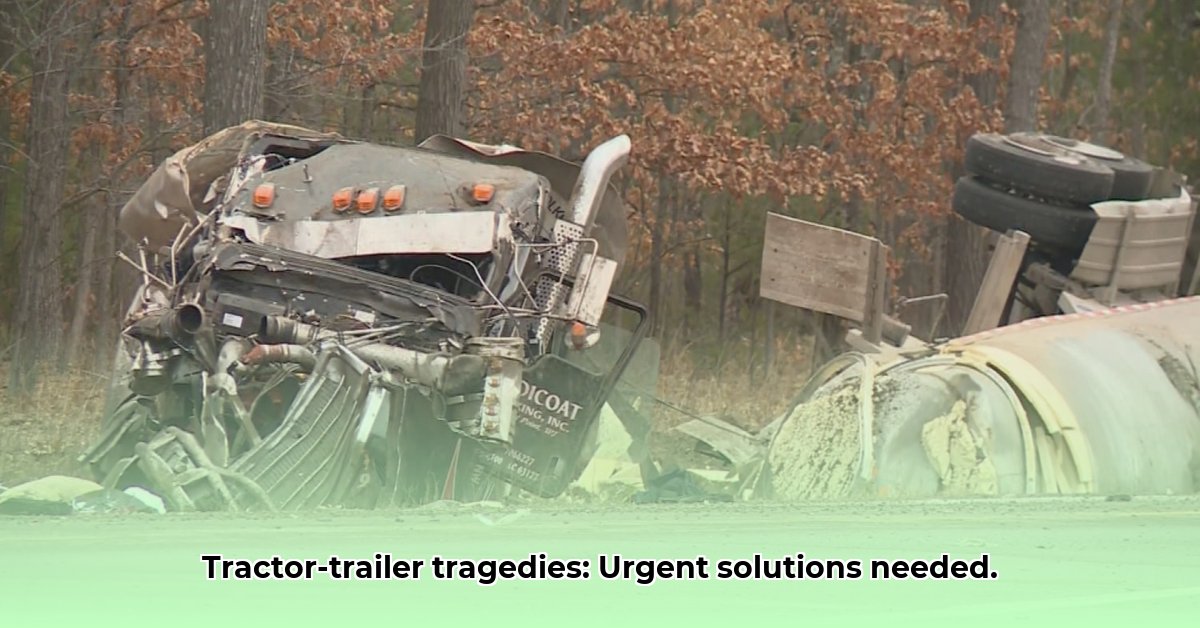
Two recent fatal accidents involving tractor-trailers underscore the urgent need for improved highway safety. One accident in Olney, Maryland, resulted in one fatality after a collision between an SUV and a tractor-trailer. Another, a multi-vehicle pile-up on I-10 near Phoenix, Arizona, tragically claimed four lives and left numerous others injured. These incidents, while seemingly disparate, share a common thread: a critical failure in preventing these devastating crashes. How can we effectively reduce the risk of future tragedies? For more information on recent accidents, see this site.
Understanding the Scope and Complexity of the Problem
The I-10 pile-up exemplifies the unpredictable nature of these accidents. The initial impact triggered a chain reaction, highlighting the cascading effects of a primary collision. Initial casualty reports varied, showcasing the challenges in immediate post-accident assessment. Such events illustrate the need for a comprehensive, multi-faceted approach to highway safety improvements. What are the underlying causes contributing to this alarming trend?
Unraveling the Causes: A Complex Interplay of Factors
Determining the precise cause of each accident is complex, with ongoing investigations. However, preliminary findings suggest contributing factors may include driver error or distraction, challenging road conditions, vehicle mechanical issues, and adverse weather. This complex interplay of factors emphasizes the need for a holistic approach focused on addressing multiple risk contributors simultaneously. Aren't we missing opportunities to prevent such incidents by considering these interwoven factors?
A Multi-pronged Approach: Immediate and Long-Term Solutions
Addressing this complex problem demands coordinated efforts from multiple stakeholders. Immediate improvements could include more frequent safety inspections at high-risk intersections, enhanced driver training programs focusing on safe driving techniques and fatigue prevention, and increased law enforcement vigilance in enforcing traffic regulations for heavy vehicles.
Long-term solutions require substantial investments. These entail making Advanced Driver-Assistance Systems (ADAS) standard in all big rigs; increased investment in regular vehicle maintenance and technological upgrades; data-driven identification of high-risk areas for targeted law enforcement efforts; and the development of enhanced collision-avoidance technologies by truck manufacturers.
Reducing Risk: A Prioritized Preventive Strategy
The following risk assessment matrix illustrates the potential effectiveness of various interventions:
| Intervention/Technology | Likelihood of Success | Positive Impact | Risk of Failure | Negative Impact | Strategies to Reduce Risk |
|---|---|---|---|---|---|
| Enhanced Driver Training | High | High | Low | Moderate | Comprehensive training, regular refreshers, simulations, and real-world practice. |
| ADAS in Commercial Vehicles | Moderate | High | Moderate | High | Phased implementation, rigorous testing, and reliable maintenance programs. |
| Road Safety Audits | High | Moderate | Low | Low | Regular audits targeting high-risk areas, focusing on intersection design. |
| Autonomous Driving Technology | Low | Very High | High | Very High | Gradual rollout, extensive testing, and strong regulatory framework. |
Regulatory Changes: A Necessary Catalyst for Improvement
Investigations into these fatal accidents will likely prompt regulatory changes. These may include stricter driver hours-of-service regulations, mandatory ADAS installation, improved intersection design, and more effective post-accident data collection. Such changes necessitate collaboration between government agencies, trucking companies, and technology developers. The ultimate aim is crystal clear: preventing future tragedies. How can we ensure that these regulatory efforts are both effective and swiftly implemented?
Improving Truck Accident Investigation Data Collection: A Critical Step
The effectiveness of preventing future accidents hinges on our ability to thoroughly investigate past incidents. Event Data Recorders (EDRs), similar to "black boxes" in airplanes, offer invaluable objective data. EDRs record parameters such as speed, braking, engine performance, and driver behavior preceding accidents. However, obstacles to their effective utilization remain.
Data Access and Interpretation: The Challenges
Access to and interpretation of EDR data pose significant challenges. Inconsistent data formats, varying encryption protocols, and the need for specialized skills and software hinder effective data retrieval and analysis. Professor Emily Carter, Director of the Center for Advanced Transportation Technology at the University of Michigan, states, "Standardization of data formats is crucial for efficient data analysis and fair comparison between incidents."
A Holistic Approach to Investigation
Effective accident investigation requires integrating data from multiple sources—EDRs, witness testimonies, physical evidence, and post-accident vehicle inspections. A comprehensive approach combines all available information into a coherent narrative. Dr. David Chen, a leading accident reconstruction expert at the National Highway Traffic Safety Administration (NHTSA), emphasizes the importance of this approach, stating, "A holistic investigation leaves no stone unturned, ensuring accuracy and aiding the development of effective preventive measures."
A Call to Action: Prioritizing Highway Safety
The alarming number of fatal tractor-trailer accidents necessitates immediate and decisive action. The need for substantial improvements in highway safety is undeniable. Further research is ongoing; expert opinions may evolve with new information. The conclusions presented here are based on currently available data, and further studies may refine or alter these findings. Staying updated on the latest research is crucial.